
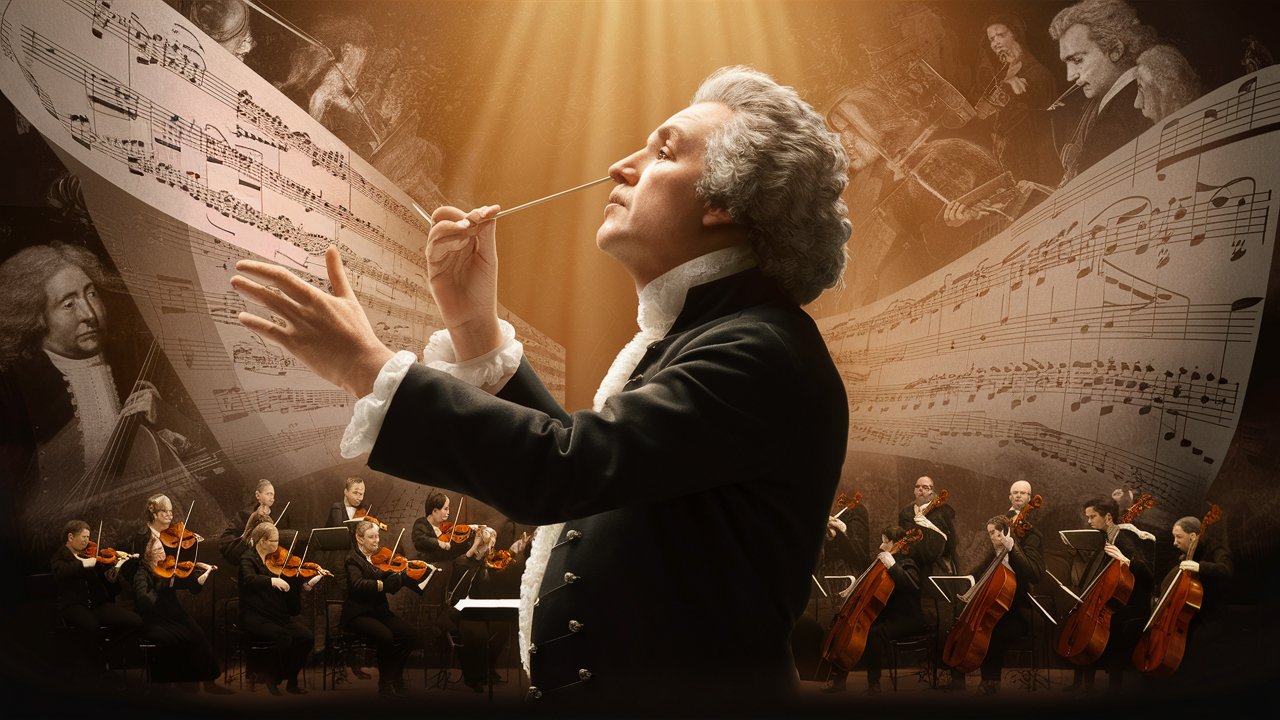
When we speak of monumental figures in Western classical music, George Frideric Handel George Frideric handelp stands as a towering presence whose influence continues to shape orchestral, choral, and operatic traditions worldwide. As composers, historians, and devoted interpreters of Baroque excellence, we recognize Handel not merely as a historical icon but as a defining architect of dramatic musical expression. His works transcend centuries, languages, and cultural boundaries, establishing a canon of compositions that remain foundational to concert halls and sacred spaces across the globe.
Born in 1685 in Germany and later naturalized as a British citizen, Handel built a career that fused German structural mastery, Italian melodic lyricism, and English choral grandeur. This fusion created a distinctive sound that continues to inspire musicians, scholars, and audiences alike. In this comprehensive exploration, we examine Handel’s life, his greatest works, stylistic innovations, and enduring cultural impact.
The Early Life and Formation of Handel’s Musical Genius
Handelp was born in Halle, in present-day Germany, in the same year as Johann Sebastian Bach. From a young age, he displayed extraordinary musical aptitude despite his father’s initial opposition to a career in music. His early education immersed him in organ performance, counterpoint, and composition, laying the groundwork for his later mastery of dramatic form.
His travels to Italy were transformative. There, he absorbed the flourishing traditions of Italian opera and sacred music. These formative experiences shaped his compositional identity and equipped him with the theatrical instincts that would later define his operatic and oratorio achievements. Eventually, Handel settled in London, where he would build a distinguished career and become one of the most celebrated composers in British history.
Handel’s Operatic Revolution in London
Upon arriving in London, Handel introduced Italian opera to English audiences on an unprecedented scale. Works such as Rinaldo established him as a composer capable of combining virtuosic vocal writing with compelling drama. He brought innovation to staging, orchestration, and characterization, raising expectations for operatic production standards.
Handel’s operas were marked by powerful arias, dramatic recitatives, and expressive orchestral interludes. His understanding of the human voice allowed him to craft roles that showcased emotional depth and technical brilliance. Although Italian opera later declined in popularity, Handel’s operatic catalog remains a cornerstone of Baroque performance practice today.
The Masterpiece of Messiah and Sacred Oratorio Excellence
Among Handel’s most celebrated compositions is Messiah, an oratorio that has become synonymous with choral grandeur. Premiered in Dublin in 1742, Messiah transformed sacred storytelling into a monumental musical experience. The iconic “Hallelujah” chorus remains one of the most recognized pieces of classical music worldwide.
Unlike traditional opera, oratorio dispensed with elaborate staging and costumes, focusing instead on narrative depth and choral power. Handel perfected this form, blending dramatic pacing with theological storytelling. His sacred works established a new tradition of English choral music, influencing generations of composers and choirs.
Water Music and Royal Patronage
Another defining work in Handel’s repertoire is Water Music. Commissioned for a royal event on the River Thames, the suite exemplifies Handel’s mastery of orchestration and festive brilliance. Its buoyant rhythms and majestic fanfares reflect the grandeur of royal celebration while showcasing Handel’s gift for accessible yet sophisticated composition.
Through royal patronage and public acclaim, Handel secured his reputation as a composer capable of elevating national celebrations through music. His orchestral writing combined elegance with dramatic flair, influencing the ceremonial music traditions of Britain and beyond.
Handel’s Musical Style and Structural Innovation
Handel’s compositional style is defined by clarity, balance, and expressive strength. We observe several distinguishing characteristics in his music:
-
Dramatic Vocal Lines: Handel composed arias that emphasized emotional contrast and expressive ornamentation.
-
Bold Harmonic Language: His harmonies conveyed grandeur while maintaining structural coherence.
-
Choral Magnificence: Large-scale choral writing became a hallmark of his sacred works.
-
Orchestral Color: He utilized instrumental combinations to heighten drama and ceremonial impact.
Unlike many of his contemporaries, Handel possessed a unique instinct for public appeal. His music achieved both artistic sophistication and widespread popularity. This dual achievement explains why his works continue to dominate concert programming centuries later.
Handel and the Baroque Legacy
As a central figure of the Baroque era, Handel helped define the stylistic contours of 18th-century music. The Baroque period emphasized ornamentation, contrast, and emotional intensity, and Handel embodied these principles while refining them for broader audiences.
His ability to merge national styles into a cohesive musical language positioned him as an international composer long before globalization became commonplace. Handel’s influence extended beyond his lifetime, shaping the evolution of classical music in Europe and later inspiring Romantic-era composers who admired his monumental choral structures.
Handel’s Cultural and Global Impact
Handel’s influence is not confined to academic study. Annual performances of Messiah during the Christmas season remain a cherished tradition in churches and concert halls worldwide. His music continues to serve as a bridge between sacred devotion and public celebration.
Institutions across the world stage Handel festivals dedicated to historically informed performance practice. Scholars analyze his manuscripts to understand Baroque interpretation techniques, while orchestras reinterpret his works using both period instruments and modern ensembles.
In Britain, Handel became so esteemed that he was buried in Westminster Abbey—an honor reflecting his profound national significance. His journey from Germany to Britain symbolizes a cultural synthesis that resonates even in contemporary artistic collaboration.
Why Handel Remains Relevant Today
Handel’s continued relevance lies in his emotional universality and structural mastery. His compositions speak directly to themes of triumph, faith, resilience, and celebration. Modern audiences respond to his music because it balances intellectual sophistication with emotional accessibility.
In an age of rapidly evolving musical styles, Handel’s works remain benchmarks for choral excellence and orchestral precision. Conductors and performers revisit his scores not merely as historical artifacts but as living works capable of stirring profound emotional response.
The Educational Importance of Studying Handel
For musicians, studying handelp develops technical precision, interpretative sensitivity, and stylistic awareness. His works demand disciplined phrasing, articulation clarity, and expressive ornamentation. For scholars, Handel provides insight into 18th-century politics, patronage systems, and cross-cultural artistic exchange.
Through performance and study, we preserve and renew the vitality of Handel’s legacy, ensuring that his contributions remain integral to classical music education and appreciation.
Conclusion: Handel’s Immortal Musical Authority
Handel’s legacy is defined by artistic brilliance, dramatic innovation, and enduring cultural resonance. From the majestic choruses of Messiah to the festive elegance of Water Music, his works embody the highest achievements of Baroque artistry. His synthesis of German rigor, Italian lyricism, and English grandeur established a timeless musical language that continues to inspire.
As interpreters and custodians of classical heritage, we recognize Handel not merely as a composer of the past but as a perpetual force shaping the present and future of concert music. His influence echoes in every grand chorus, every ceremonial fanfare, and every revival of Baroque opera across the world.
Frequently Asked Questions (FAQ) About Handel
Who was George Frideric Handel?
George Frideric Handel was a Baroque composer born in 1685 who became one of the most influential figures in Western classical music, renowned for his operas, oratorios, and orchestral works.
What is Handel’s most famous work?
His most famous work is Messiah, particularly the “Hallelujah” chorus, which is performed globally and remains one of the most recognized pieces in classical music.
What style of music did Handel compose?
Handel composed Baroque music characterized by dramatic expression, rich harmonies, ornate melodies, and powerful choral writing.
Why is Handel important in British music history?
After settling in London, Handel became a British citizen and significantly shaped England’s choral and ceremonial music traditions, earning national reverence.
Is Handel still performed today?
Yes. Handel’s operas, oratorios, and orchestral works are performed worldwide and remain central to both sacred and concert repertoires.