
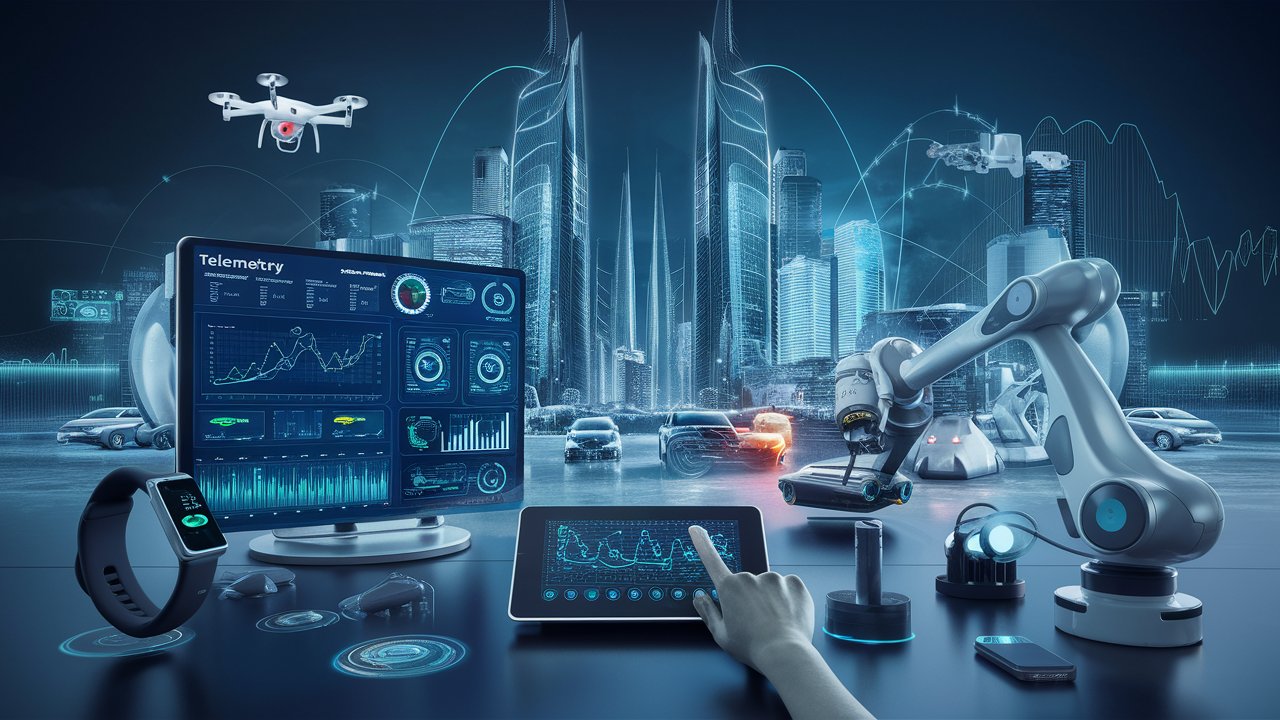
The term telemetryczny derives from the concept of telemetry—the automated measurement and wireless transmission of data from remote sources to receiving systems for monitoring and analysis. In modern industries, telemetryczny systems have become indispensable tools for real-time data acquisition, performance optimization, predictive maintenance, and operational efficiency. From industrial automation to healthcare, transportation, energy management, and environmental monitoring, telemetryczny solutions redefine how organizations collect, process, and act on critical data.
In this comprehensive guide, we explore the full scope of telemetryczny technology, including its architecture, core components, applications, benefits, and future innovations. We present in-depth analysis, practical implementation insights, and advanced strategies for leveraging telemetryczny systems to achieve measurable results.
Understanding Telemetryczny Systems: Architecture and Core Components
A robust telemetryczny system consists of interconnected components designed to gather, transmit, process, and analyze data efficiently. These include:
1. Sensors and Data Acquisition Devices
At the foundation of telemetryczny systems are sensors that measure physical parameters such as temperature, pressure, humidity, vibration, voltage, and motion. These sensors convert physical signals into digital data that can be transmitted across communication networks.
High-precision telemetryczny sensors are engineered for durability and accuracy, particularly in harsh industrial or outdoor environments. Modern systems integrate multi-sensor arrays to collect diverse datasets simultaneously, enabling comprehensive monitoring strategies.
2. Communication Networks
Telemetryczny systems rely on reliable communication protocols to transmit data. These may include:
-
Cellular networks (4G/5G)
-
Satellite communication
-
LoRaWAN
-
Wi-Fi
-
Bluetooth Low Energy (BLE)
-
Ethernet-based wired systems
Each communication channel serves specific operational needs. For example, remote environmental telemetryczny applications often use satellite links, while industrial facilities may rely on secure Ethernet networks.
3. Data Processing and Analytics Platforms
Once transmitted, telemetryczny data is processed through centralized servers or cloud-based platforms. Advanced analytics tools transform raw data into actionable insights through:
-
Predictive modeling
-
Real-time dashboards
-
Automated alerts
-
Machine learning algorithms
-
Historical trend analysis
The integration of AI-driven analytics significantly enhances telemetryczny efficiency by identifying anomalies before failures occur.
Telemetryczny Applications Across Industries
Industrial Automation and Manufacturing
In manufacturing, telemetryczny systems enable real-time equipment monitoring, reducing downtime and increasing productivity. Machine health data, vibration analysis, and temperature monitoring help detect mechanical issues before catastrophic failure occurs. Predictive maintenance powered by telemetryczny analytics reduces operational costs and extends machinery lifespan.
Energy Sector and Smart Grids
Energy providers utilize telemetryczny solutions to monitor power generation, distribution, and consumption. In renewable energy installations such as solar farms and wind turbines, telemetryczny systems track performance metrics and environmental conditions to optimize output. Smart grid infrastructure depends heavily on telemetryczny communication for demand response and outage management.
Environmental Monitoring
Environmental telemetryczny applications include air quality monitoring, water level measurement, climate observation, and pollution tracking. Remote telemetryczny stations transmit real-time data to central systems for environmental protection agencies and research institutions.
Healthcare and Medical Telemetryczny Monitoring
In healthcare, telemetryczny devices enable continuous patient monitoring, including heart rate, blood pressure, oxygen saturation, and glucose levels. Remote patient telemetryczny systems allow healthcare providers to monitor patients outside hospital environments, improving accessibility and reducing readmission rates.
Transportation and Fleet Management
Telemetryczny technology supports fleet tracking, vehicle diagnostics, fuel consumption analysis, and driver behavior monitoring. Logistics companies leverage telemetryczny systems to enhance route optimization, ensure cargo safety, and reduce operational costs.
Advantages of Implementing Telemetryczny Solutions
Organizations implementing telemetryczny systems benefit from:
-
Real-time data visibility
-
Reduced operational downtime
-
Improved safety compliance
-
Enhanced predictive maintenance capabilities
-
Optimized resource utilization
-
Data-driven decision-making
Telemetryczny infrastructures eliminate manual data collection processes, ensuring accuracy and operational transparency. Automated alert systems immediately notify operators of deviations from standard parameters, preventing costly incidents.
Advanced Telemetryczny Technologies and Innovations
IoT Integration
The fusion of telemetryczny systems with the Internet of Things (IoT) expands scalability and connectivity. IoT-enabled telemetryczny devices communicate seamlessly across decentralized networks, creating intelligent ecosystems capable of self-diagnosis and adaptive control.
Edge Computing
Edge-based telemetryczny processing reduces latency by analyzing data near its source. This approach is critical in time-sensitive environments such as industrial robotics and autonomous vehicles.
Artificial Intelligence and Machine Learning
AI-enhanced telemetryczny analytics detect patterns and anomalies beyond human capability. Machine learning algorithms continuously refine predictive models based on historical telemetryczny datasets.
Cybersecurity in Telemetryczny Networks
As telemetryczny systems expand, cybersecurity becomes paramount. Encryption protocols, secure authentication, network segmentation, and continuous vulnerability assessments ensure data integrity and prevent unauthorized access.
Best Practices for Deploying Telemetryczny Systems
To maximize performance and ROI, organizations should:
-
Conduct comprehensive infrastructure assessments.
-
Choose scalable telemetryczny platforms.
-
Implement redundant communication channels.
-
Establish data governance policies.
-
Integrate advanced analytics tools.
-
Prioritize cybersecurity measures.
A structured deployment strategy ensures seamless integration and long-term sustainability of telemetryczny investments.
Future Outlook of Telemetryczny Technology
The future of telemetryczny systems is shaped by advancements in wireless communication, artificial intelligence, and sensor miniaturization. The global expansion of 5G networks will accelerate telemetryczny data transmission speeds and reliability. Autonomous systems, smart infrastructure, and digital twins will increasingly depend on sophisticated telemetryczny frameworks.
Emerging innovations include:
-
Self-powered sensors
-
Blockchain-secured telemetryczny data
-
Digital twin integration
-
Ultra-low latency communication networks
-
Cloud-native telemetryczny platforms
These advancements position telemetryczny systems as central components of next-generation digital transformation initiatives.
Conclusion
Telemetryczny technology represents the backbone of modern remote monitoring and intelligent data transmission systems. By integrating advanced sensors, reliable communication networks, AI-powered analytics, and secure infrastructures, telemetryczny solutions empower industries to operate with precision, efficiency, and predictive intelligence. As digital transformation accelerates globally, telemetryczny systems will continue to redefine operational standards, enabling smarter, safer, and more resilient infrastructures across every sector.
Frequently Asked Questions (FAQ)
What does telemetryczny mean?
Telemetryczny refers to systems or technologies related to telemetry—automated remote measurement and data transmission for monitoring and analysis purposes.
Where are telemetryczny systems used?
Telemetryczny systems are widely used in industrial automation, healthcare, environmental monitoring, transportation, energy management, and smart city infrastructure.
How does telemetryczny data transmission work?
Sensors collect physical measurements, convert them into digital signals, and transmit the data through wireless or wired networks to centralized processing systems for analysis.
Is telemetryczny technology secure?
Yes, modern telemetryczny systems incorporate encryption, authentication protocols, and cybersecurity frameworks to ensure data integrity and protection.
Why is telemetryczny important for digital transformation?
Telemetryczny technology enables real-time insights, predictive analytics, automation, and intelligent decision-making—core elements of successful digital transformation strategies.