
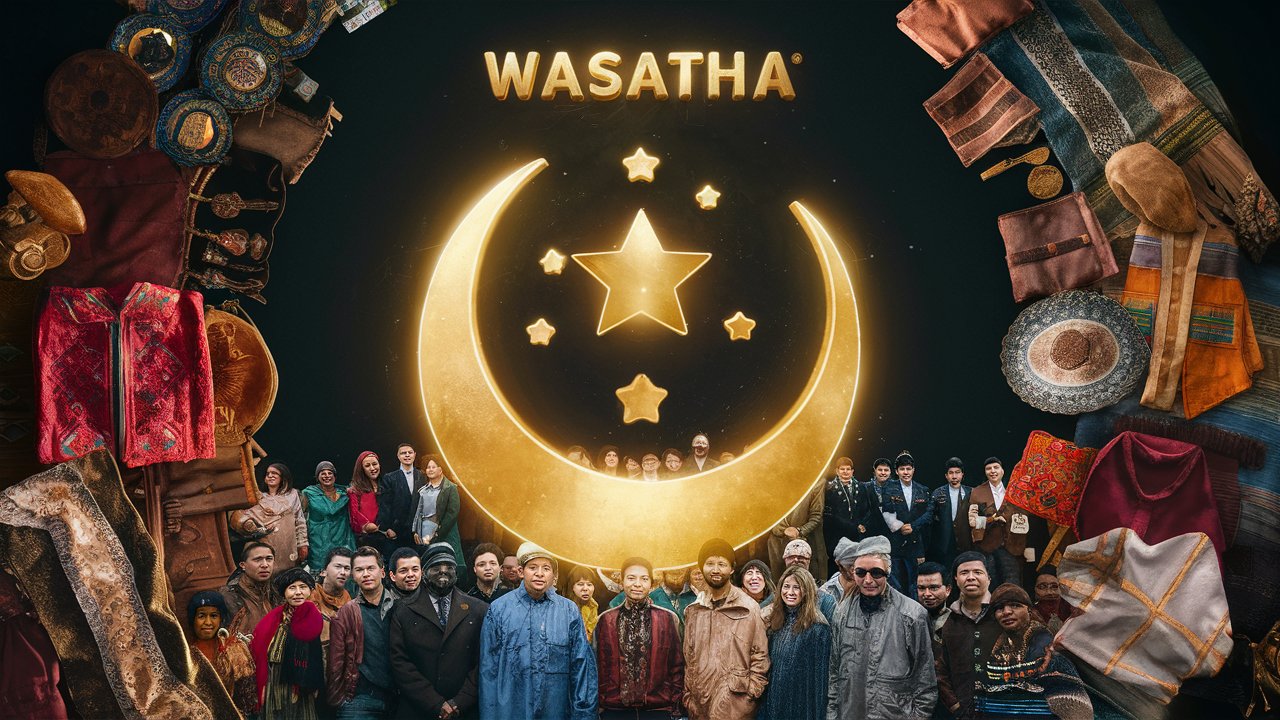
Wasatha is a powerful term that carries deep cultural, social, and philosophical weight. Widely associated with ideas of prosperity, renewal, abundance, and positive transformation, wasatha is more than a word—it is a concept that reflects hope, continuity, and progress. Across traditions, communities, and evolving modern contexts, wasatha symbolizes the aspiration for a better present and a flourishing future. We explore wasatha comprehensively, unpacking its layered meanings, contextual usage, and contemporary relevance with clarity and depth.
Understanding the Meaning of Wasatha
At its core, wasatha represents growth and prosperity, often tied to favorable periods, successful outcomes, and collective well-being. The term resonates strongly in cultural discourse where language captures cycles of life, renewal, and social harmony. Wasatha is frequently used to describe moments or phases marked by success, opportunity, and sustainable advancement. The linguistic richness of wasatha allows it to be applied in personal, communal, and institutional narratives without losing its essence.
Cultural and Traditional Significance of Wasatha
Wasatha in cultural tradition reflects a shared vision of abundance and continuity. Communities have historically used the concept to express hopes for fertile seasons, economic stability, and harmonious social relations. Wasatha is embedded in storytelling, rituals, and expressions that celebrate milestones, harvests, and collective achievements. Its endurance across generations underscores its relevance as a cultural anchor—connecting the past with aspirations for the future.
Wasatha as a Symbol of Renewal and Growth
Renewal is central to the idea of wasatha. The term is often associated with cycles—whether seasonal, social, or personal—where challenges give way to opportunity. Wasatha captures the transition from stagnation to momentum, from scarcity to abundance. This symbolism makes it a favored expression in narratives of rebuilding, reform, and revitalization, where progress is measured not only by outcomes but by resilience and continuity.
Modern Interpretations of Wasatha
In contemporary contexts, wasatha has evolved to encompass broader interpretations. It is now commonly used to signify sustainable development, economic opportunity, and social advancement. Organizations, community initiatives, and thought leaders adopt wasatha to frame visions of inclusive growth and long-term success. The modern usage maintains the traditional spirit while aligning with present-day values such as innovation, equity, and environmental responsibility.
Wasatha in Social and Community Development
Community-driven wasatha emphasizes collective upliftment. The concept supports initiatives focused on education, health, and economic empowerment. When applied to community development, wasatha becomes a framework for action—prioritizing collaboration, resource stewardship, and shared benefits. This approach fosters trust and resilience, ensuring that progress is both measurable and meaningful.
Economic Dimensions of Wasatha
From an economic perspective, wasatha aligns with sustainable prosperity. It encourages balanced growth that benefits individuals and institutions alike. The principles associated with wasatha promote ethical enterprise, productivity, and long-term value creation. By framing economic goals through the lens of wasatha, stakeholders prioritize stability, inclusivity, and innovation over short-term gains.
Wasatha in Education and Knowledge Growth
Education plays a vital role in realizing wasatha-driven progress. Knowledge expansion, skills development, and lifelong learning are essential components of prosperity. Wasatha in education emphasizes access, quality, and relevance—ensuring that learning empowers individuals to contribute meaningfully to society. This alignment creates a virtuous cycle where education fuels growth, and growth sustains education.
Environmental Harmony and Wasatha
Environmental stewardship is increasingly linked to wasatha. Sustainable practices, conservation, and responsible resource management reflect the idea that true prosperity must coexist with ecological balance. Wasatha encourages harmony between human activity and the natural world, recognizing that long-term abundance depends on preserving the foundations of life.
Wasatha in Media, Communication, and Thought Leadership
The influence of wasatha extends into media and communication, where it frames narratives of hope, progress, and accountability. Thought leaders adopt the concept to articulate visions that resonate widely, bridging cultural heritage with modern aspirations. Clear, values-driven communication rooted in wasatha fosters trust and inspires collective action.
Why Wasatha Matters Today
In an era of rapid change, wasatha provides a stable compass. It reminds societies to pursue progress without losing sight of sustainability and inclusivity. The enduring relevance of wasatha lies in its adaptability—anchored in tradition yet responsive to contemporary challenges. By embracing wasatha, individuals and institutions align purpose with progress.
Conclusion
Wasatha stands as a timeless concept that unites prosperity, renewal, and responsible growth. Its cultural depth and modern applicability make it a guiding principle for communities seeking meaningful advancement. By integrating wasatha into social, economic, educational, and environmental frameworks, we cultivate progress that is resilient, inclusive, and enduring. The journey of wasatha is continuous—shaped by values, sustained by action, and realized through collective commitment.
Frequently Asked Questions (FAQ)
What does wasatha mean?
Wasatha signifies prosperity, growth, and positive transformation, often associated with renewal and favorable outcomes.
Is wasatha a cultural concept?
Yes, wasatha has deep cultural roots and is widely used to express collective well-being, continuity, and hope.
How is wasatha used in modern contexts?
In modern usage, wasatha represents sustainable development, social progress, and long-term success across sectors.
Can wasatha apply to personal growth?
Absolutely. Wasatha can describe personal phases of renewal, achievement, and positive change.
Why is wasatha relevant today?
Wasatha remains relevant because it balances tradition with modern values, emphasizing inclusive and sustainable prosperity.