
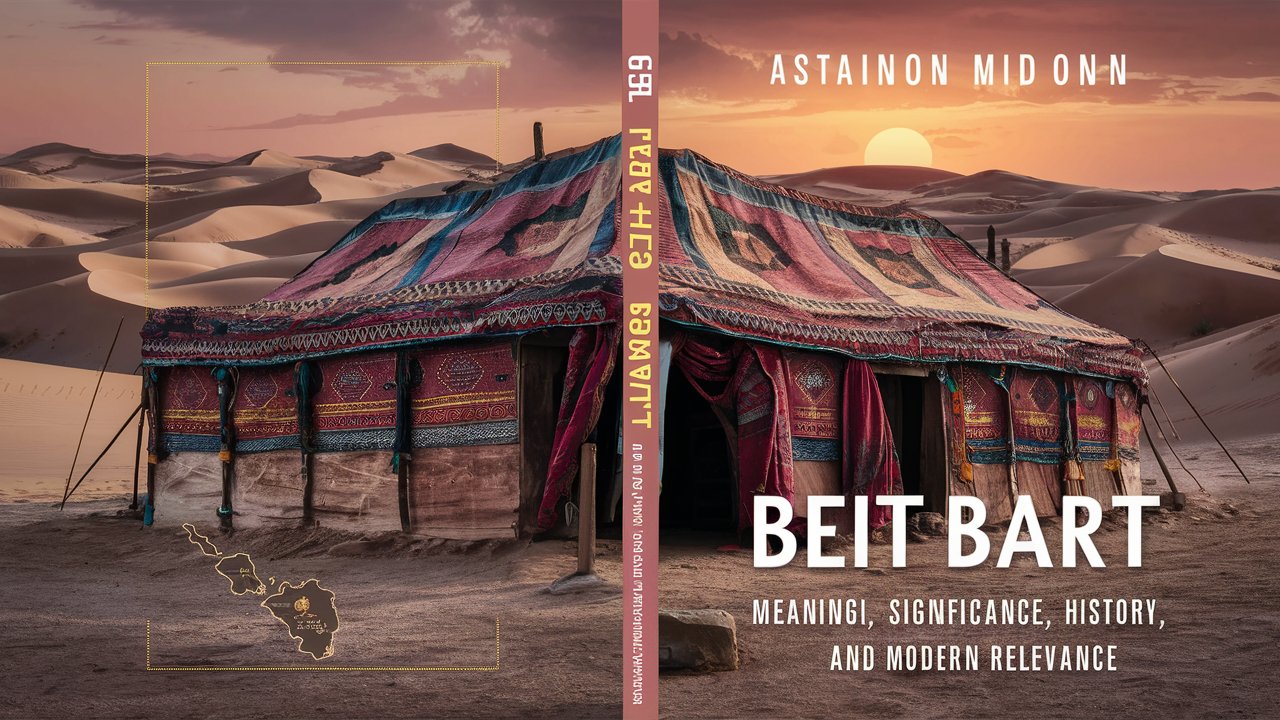
The term Beit Bart carries a distinctive linguistic and cultural resonance that invites deeper exploration. The word “Beit” traditionally translates to “house” or “home” in Semitic languages, symbolizing foundation, belonging, and continuity. When paired with “Bart,” the phrase evolves into a name or designation that suggests identity, heritage, or a specific place of significance. Whether interpreted as a cultural landmark, a residential concept, or a symbolic expression of rooted identity, Beit Bart represents far more than a simple name—it reflects structure, belonging, and legacy.
In examining Beit Bart, we must view it through architectural, historical, cultural, and symbolic dimensions. It is not merely a location or phrase; it is an embodiment of tradition merged with modern relevance. The power of the term lies in its layered meaning, its adaptability across contexts, and its ability to convey permanence and personal connection.
Beit Bart as a Symbol of Home and Identity
Throughout history, the concept of a “house” has symbolized more than physical shelter. It represents heritage, continuity, protection, and generational stability. In this context, Beit Bart becomes a powerful metaphor for rooted identity. A home carries stories, preserves customs, and anchors individuals to shared values.
When discussing Beit Bart, we consider how the idea of home transforms into a structured legacy. It may refer to a physical estate, a community space, or even a conceptual framework representing unity and tradition. The name itself evokes a sense of ownership and belonging, creating a narrative centered on permanence and personal history.
The cultural importance of naming a house or estate is historically significant. Across civilizations, homes named after families or founders often signified prestige, leadership, and continuity. Therefore, Beit Bart could signify a house built upon foundational values, maintained through resilience, and sustained by commitment.
Historical Context of Beit Bart
Understanding the historical implications of Beit Bart requires examining architectural traditions and naming conventions in regions where “Beit” is commonly used. Historically, houses were not only residential structures but also centers of commerce, governance, education, and spirituality.
A named house such as Beit Bart may historically have represented:
-
A family lineage estate
-
A scholarly or religious institution
-
A community gathering place
-
A symbol of cultural preservation
In ancient architectural traditions, houses were built with inner courtyards, communal spaces, and strong foundational structures. They were designed to endure generations. If Beit Bart aligns with these principles, it reflects durability, structural wisdom, and continuity across time.
The historical weight of such a term reinforces its authority and relevance. It suggests not a temporary space, but a long-standing foundation that withstands societal shifts and evolving needs.
Architectural Characteristics Associated with Beit Bart
When envisioning Beit Bart, we can interpret it architecturally as a residence or establishment built with intention and symbolic structure. Traditional houses that carry formal names often share common features:
Foundational Strength
The architecture emphasizes long-lasting materials such as stone or reinforced masonry, symbolizing permanence and resilience.
Central Gathering Space
A courtyard or main hall serves as the heart of the home, reinforcing unity and shared experiences.
Balanced Design
Symmetry and structured layout reflect order, discipline, and thoughtful planning.
Cultural Elements
Incorporation of local design patterns, carvings, inscriptions, or ornamental elements connects the structure to heritage.
If Beit Bart exists as a physical place, its architecture likely embodies these characteristics. If symbolic, the architectural analogy still applies—representing strength, harmony, and stability.
Beit Bart in Modern Context
In today’s fast-moving world, the idea of a named home like Beit Bart takes on renewed importance. Modern society increasingly values spaces that foster identity and continuity. Whether interpreted as a family residence, an institutional building, or a brand concept, Beit Bart aligns with contemporary priorities of authenticity and rootedness.
Modern interpretations of Beit Bart may include:
-
A heritage estate revitalized for modern living
-
A cultural center preserving tradition
-
A community hub promoting shared identity
-
A residential project designed with historical inspiration
The relevance lies in the fusion of old and new. Contemporary architecture often integrates traditional naming conventions with modern design features—open-plan layouts, energy efficiency, and technological integration—while maintaining symbolic depth. In this sense, Beit Bart bridges eras, merging legacy with innovation.
Cultural Significance and Legacy of Beit Bart
A named structure often carries emotional and cultural gravity. Beit Bart may symbolize:
-
Generational pride
-
Ancestral memory
-
Educational or spiritual continuity
-
Community solidarity
In many cultures, naming a house creates a living monument to heritage. It becomes a repository of stories and shared experiences. The structure itself evolves into a witness to history, preserving traditions while adapting to new realities.
The legacy component is critical. Beit Bart implies succession, implying that future generations inherit not just property, but responsibility and identity. The value is not purely economic—it is historical, emotional, and symbolic.
The Concept of Beit Bart as a Brand or Institutional Identity
Beyond residential implications, Beit Bart can also represent a structured identity in institutional or organizational settings. Educational institutions, cultural foundations, or heritage centers often adopt names beginning with “Beit” to signal authority and tradition.
If used in this context, Beit Bart could represent:
-
A center of learning
-
A heritage preservation institution
-
A community development initiative
-
A religious or philosophical study house
Such usage elevates the name from a private home to a collective institution. The emphasis remains on foundation and continuity, but the scope expands to communal service and influence.
Why Beit Bart Matters Today
In an era characterized by mobility and digital transformation, the idea of rooted identity becomes increasingly meaningful. Beit Bart symbolizes stability amid change. It represents a defined space—physical or conceptual—where tradition, belonging, and continuity intersect.
Modern individuals seek spaces that:
-
Reflect personal and cultural identity
-
Provide structural and emotional security
-
Connect past values with present aspirations
-
Offer a sense of permanence
Beit Bart fulfills these expectations symbolically and practically. Whether through architecture, heritage, or institutional identity, it encapsulates the enduring relevance of named foundations.
Designing the Future of Beit Bart
Looking forward, the concept of Beit Bart invites thoughtful evolution. Preserving historical integrity while incorporating modern functionality ensures continued relevance. Future developments associated with Beit Bart may prioritize:
-
Sustainable building practices
-
Community engagement initiatives
-
Educational programming
-
Digital integration while maintaining traditional aesthetics
The enduring strength of the concept lies in its adaptability. A foundation remains firm while its outward expression evolves. This balance ensures that Beit Bart continues to symbolize resilience, relevance, and rooted identity.
Conclusion
Beit Bart stands as a powerful representation of foundation, heritage, and enduring identity. Whether understood as a physical home, a historical estate, a cultural institution, or a symbolic expression of belonging, it carries deep structural and emotional meaning. Its architectural associations emphasize permanence and thoughtful design, while its cultural significance reinforces generational continuity.
In modern society, where identity and stability hold increasing value, Beit Bart embodies the enduring importance of rooted foundations. It merges history with innovation, tradition with progress, and structure with symbolism. Through its layered meanings, it remains a testament to the power of named spaces in shaping legacy and collective memory.
Frequently Asked Questions (FAQ)
What does Beit Bart mean?
Beit Bart combines the concept of “house” or “home” with a distinctive identifier, suggesting a named residence, estate, or institution rooted in heritage and identity.
Is Beit Bart a physical location or symbolic concept?
It can represent either a tangible structure such as a residence or cultural institution, or a symbolic concept emphasizing foundation, continuity, and belonging.
Why is the name Beit Bart significant?
The name carries cultural and structural weight, representing permanence, legacy, and generational continuity.
How does Beit Bart remain relevant today?
By merging traditional identity with modern architectural and cultural relevance, it symbolizes stability in a rapidly changing world.
Can Beit Bart represent an institution or organization?
Yes, it may signify a learning center, heritage foundation, or community hub grounded in historical continuity.