
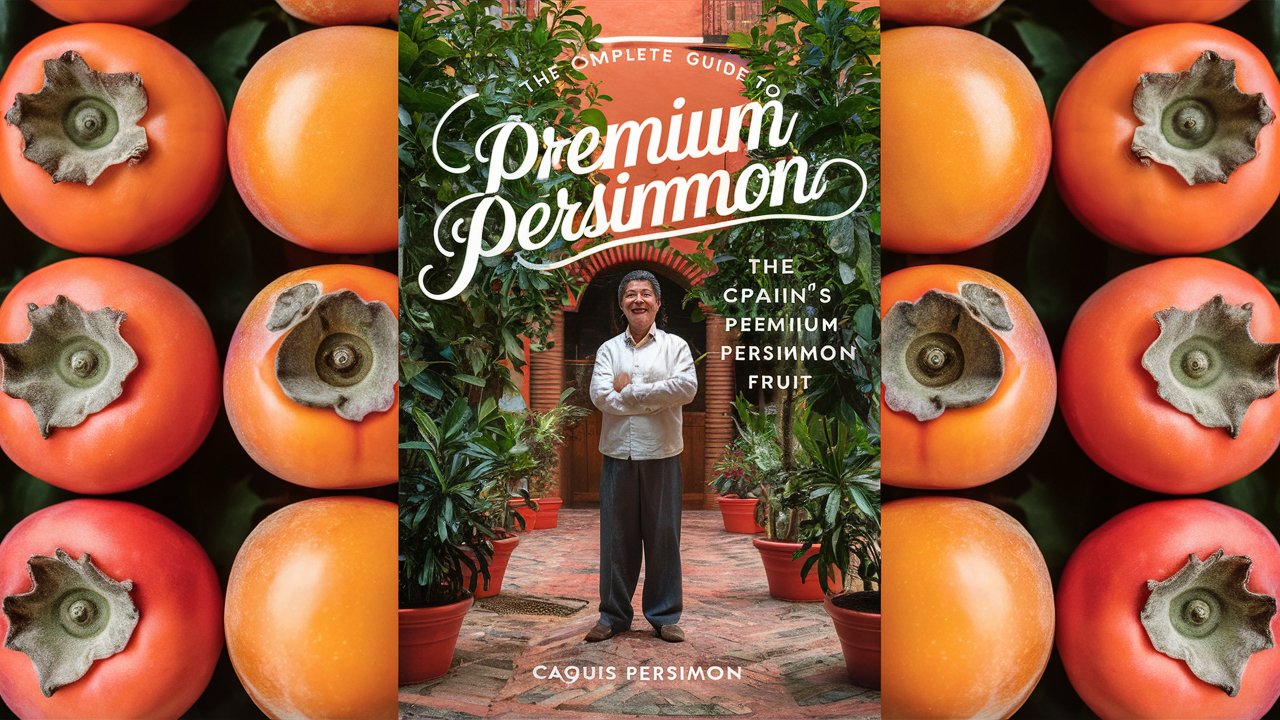
The Caquis Persimon is one of the most celebrated varieties of persimmon fruit, recognized globally for its sweet flavor, vibrant orange color, and smooth texture. Originating primarily from Spain—especially the Ribera del Xúquer region in Valencia—this fruit has become a symbol of quality and innovation in modern fruit cultivation. Unlike traditional persimmons that must be eaten very soft, Persimon® persimmons are harvested while firm yet remain deliciously sweet and non-astringent.
We explore every aspect of caquis persimon, from its cultivation and nutritional value to culinary uses and health benefits. This comprehensive guide highlights why the fruit has become a favorite among chefs, nutritionists, and fruit lovers worldwide.
What Is Caquis Persimon?
Caquis Persimon refers to a premium, specially treated variety of Diospyros kaki, the Asian persimmon. Through a controlled process that removes natural astringency, the fruit maintains its firm texture while developing a naturally sweet flavor.
Unlike traditional persimmons that must be eaten when extremely soft, Persimon persimmons can be sliced like apples, making them more convenient and versatile for daily consumption.
Key characteristics include:
-
Bright orange skin
-
Firm flesh similar to mango or peach
-
Naturally sweet flavor
-
Seedless interior
-
High shelf stability
This innovation transformed persimmons from a niche fruit into a popular international produce item.
The Origin and Cultivation of Caquis Persimon
The cultivation of caquis persimon is deeply rooted in Spanish agriculture. The Ribera del Xúquer region in Valencia produces the majority of Europe’s Persimon fruit thanks to its ideal Mediterranean climate, fertile soil, and centuries of farming expertise.
Farmers carefully monitor the entire cultivation process, including:
-
Climate-controlled growing conditions
-
Optimal irrigation systems
-
Selective harvesting
-
Post-harvest de-astringency treatments
These processes ensure every fruit reaches the market with consistent sweetness, firmness, and visual appeal.
Harvest season generally occurs from October to January, when the fruit reaches peak maturity and sugar levels.
Nutritional Value of Caquis Persimon
One of the most compelling reasons to include persimon fruit in a daily diet is its impressive nutritional profile.
Rich in Vitamins
Persimmons contain high levels of Vitamin A, Vitamin C, and Vitamin E, all of which support immune health, skin vitality, and cellular protection.
Powerful Antioxidants
The fruit is loaded with beta-carotene, lutein, and zeaxanthin, compounds that help combat oxidative stress and support eye health.
Dietary Fiber
Each serving of persimmon provides a significant amount of fiber, promoting digestive health and supporting a balanced gut microbiome.
Low Fat and Naturally Sweet
Despite its sweet taste, caquis persimon contains minimal fat and relatively moderate calories, making it an ideal healthy snack.
Approximate nutritional highlights per 100g:
-
Calories: ~70
-
Fiber: 3–4 g
-
Vitamin A: High concentration
-
Vitamin C: Moderate levels
-
Natural sugars: Balanced for energy
This nutrient combination makes persimmons an excellent addition to balanced diets.
Health Benefits of Eating Caquis Persimon
The health benefits of caquis persimon extend far beyond basic nutrition. Regular consumption can contribute to multiple aspects of wellness.
Supports Heart Health
The fiber, antioxidants, and plant compounds in persimmons may help maintain healthy cholesterol levels and cardiovascular function.
Boosts Immune System
With significant levels of Vitamin C and polyphenols, persimmon fruit supports immune defense and helps the body resist infections.
Improves Digestive Health
The soluble fiber found in the fruit aids digestion and supports gut bacteria that promote overall digestive balance.
Promotes Healthy Skin
Antioxidants like beta-carotene and vitamin E protect skin cells from environmental stressors and help maintain a radiant complexion.
Supports Eye Health
Carotenoids present in persimmons contribute to long-term eye protection and visual clarity.
How to Eat Caquis Persimon
One of the most appealing qualities of Persimon fruit is its versatility. Because the fruit remains firm, it can be prepared in numerous ways.
Fresh Slices
Simply wash the fruit, remove the top stem, and slice it into wedges. The firm flesh makes it ideal for fruit platters and snacks.
Salads
Persimmon slices add a sweet contrast to savory salads featuring greens, nuts, cheese, and vinaigrettes.
Smoothies
Blended persimmon provides natural sweetness and creamy texture in smoothies without added sugar.
Desserts
The fruit works beautifully in:
-
Cakes
-
Tarts
-
Sorbets
-
Custards
Breakfast Dishes
Add persimmon slices to yogurt, oatmeal, or granola bowls for a nutrient-rich breakfast.
Caquis Persimon vs Traditional Persimmon
Many consumers wonder what distinguishes Persimon fruit from standard persimmons.
| Feature | Traditional Persimmon | Caquis Persimon |
|---|---|---|
| Texture | Very soft when ripe | Firm and crisp |
| Astringency | Often highly astringent | Naturally sweet |
| Consumption | Must be eaten soft | Can be sliced like an apple |
| Shelf Life | Short | Longer |
| Culinary Use | Limited | Highly versatile |
These advantages explain why Persimon varieties dominate modern persimmon markets.
Popular Recipes Using Caquis Persimon
The sweet flavor and firm texture allow persimmon fruit to shine in many recipes.
Persimmon and Goat Cheese Salad
A sophisticated dish combining fresh greens, sliced persimmon, walnuts, goat cheese, and honey vinaigrette.
Persimmon Tart
Thin slices arranged over almond cream pastry create a visually stunning and delicious dessert.
Persimmon Smoothie Bowl
Blend persimmon with banana, yogurt, and honey, then top with granola and seeds.
Roasted Persimmon with Honey
Roasting enhances the fruit’s natural sweetness and creates a caramelized dessert topping.
How to Choose and Store Caquis Persimon
Selecting high-quality persimmon fruit ensures the best flavor experience.
Choosing the Best Fruit
Look for:
-
Bright orange color
-
Smooth, unblemished skin
-
Firm texture
Avoid fruits with deep bruises or wrinkled skin.
Proper Storage
Persimmon fruit can be stored:
-
At room temperature for short periods
-
In the refrigerator for extended freshness
Firm fruits maintain quality for several days to a week.
Global Popularity of Persimon Fruit
Over the last decade, caquis persimon has expanded far beyond Spain, gaining popularity across Europe, Asia, and North America. Supermarkets and gourmet markets increasingly feature the fruit during autumn and winter months.
Chefs appreciate persimmon for its visual appeal, sweetness, and versatility, while consumers value its nutritional benefits and unique flavor profile.
The growing global demand reflects the fruit’s ability to meet modern expectations for healthy, natural, and convenient foods.
Conclusion
The caquis persimon represents the perfect fusion of traditional fruit cultivation and modern agricultural innovation. With its sweet flavor, firm texture, and exceptional nutritional value, this remarkable fruit continues to captivate consumers around the world.
From fresh snacks and salads to elegant desserts, persimmon fruit adapts beautifully to countless culinary creations. Combined with its impressive health benefits and growing international popularity, Persimon stands as one of the most exciting fruits in contemporary gastronomy.
Adding caquis persimon to daily meals is not only a delicious choice but also a powerful step toward a healthier, more vibrant lifestyle.
FAQ About Caquis Persimon
What is the difference between persimmon and Persimon?
Persimon refers to a specific non-astringent variety of persimmon that can be eaten while firm, unlike traditional persimmons that must soften completely.
Can you eat persimmon skin?
Yes, the skin of caquis persimon is edible and contains additional fiber and nutrients.
When is Persimon fruit in season?
The peak season typically runs from October through January, when the fruit reaches optimal sweetness.
Is persimmon good for weight loss?
Persimmons are low in fat and high in fiber, making them an excellent fruit for balanced diets and weight management.
How should persimmon taste?
A ripe caquis persimon tastes sweet, smooth, and slightly honey-like, with a refreshing fruity flavor.