
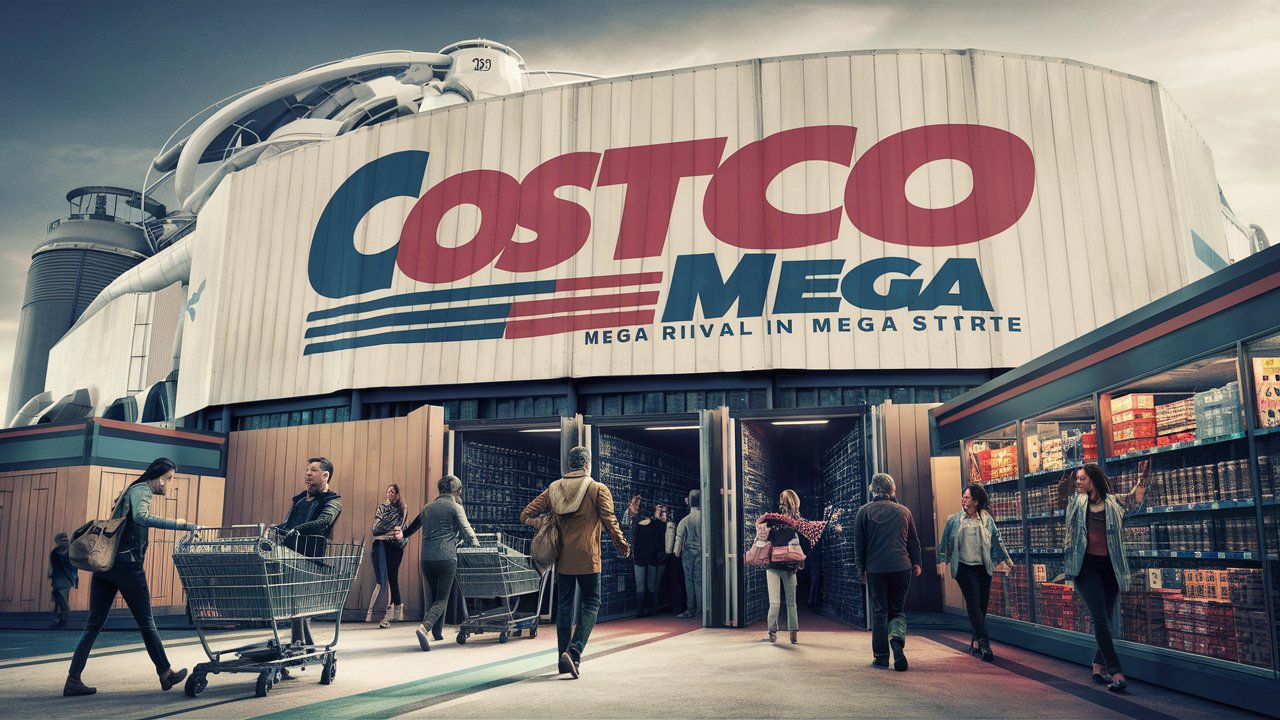
The global retail landscape is undergoing a transformative shift as a major Costco rival launches a megastore, redefining how consumers experience bulk shopping. This strategic expansion signals a bold move to challenge dominance in the warehouse retail sector, offering customers a compelling alternative built on scale, affordability, and enhanced shopping experiences. As competition intensifies, we observe a growing emphasis on value-driven retail, private-label innovation, and immersive in-store environments that cater to modern consumer demands.
This development is not merely a store opening—it represents a calculated disruption in the wholesale retail industry, where convenience meets cost efficiency at an unprecedented level. We explore the implications, strategies, and consumer benefits behind this significant launch.
Understanding the Megastore Concept in Modern Retail
The launch of a megastore by a Costco rival introduces a refined model of warehouse shopping that goes beyond traditional bulk buying. These massive retail spaces are designed to provide a comprehensive shopping ecosystem, where customers can access everything from groceries and electronics to furniture and lifestyle products under one roof.
Unlike conventional supermarkets, costco rival launches megastore prioritize volume-based pricing, allowing consumers to purchase goods at significantly reduced per-unit costs. The newly launched megastore builds upon this concept with advanced logistics, expanded inventory, and seamless checkout technologies, ensuring both efficiency and customer satisfaction.
Key Features That Differentiate the New Megastore
1. Expanded Product Range and Private Labels
One of the most defining aspects of this megastore is its extensive product assortment, which rivals and often surpasses traditional warehouse offerings. From fresh produce to premium imported goods, the store caters to diverse consumer preferences. Additionally, the introduction of high-quality private-label brands provides shoppers with cost-effective alternatives without compromising on quality.
2. Competitive Pricing Strategies
The cornerstone of this expansion lies in aggressive pricing models designed to undercut competitors. By leveraging bulk purchasing power and optimized supply chains, the retailer offers unmatched deals across multiple categories. This strategy positions the megastore as a value leader in the wholesale market.
3. Enhanced In-Store Experience
The megastore is not just about affordability—it delivers a modernized shopping experience. Wide aisles, intuitive layouts, and interactive product displays contribute to a more enjoyable and efficient visit. Features such as digital price tags, mobile app integration, and self-checkout systems further streamline the process.
4. Membership Benefits and Loyalty Programs
To compete directly with established warehouse clubs, the retailer has introduced membership-based savings programs. These include exclusive discounts, early access to promotions, and reward points systems that incentivize repeat visits. Such initiatives strengthen customer retention while enhancing perceived value.
Strategic Location and Market Expansion
The placement of the megastore plays a crucial role in its success. Positioned in high-density suburban areas with strong purchasing power, the store is easily accessible to families and small businesses alike. This strategic location ensures a steady flow of traffic while maximizing market penetration.
Furthermore, the launch is part of a broader expansion strategy that aims to establish a nationwide network of megastores, challenging existing retail giants across multiple regions. By scaling operations, the retailer can achieve economies of scale, further reducing costs and increasing competitiveness.
Impact on Consumers and the Retail Industry
1. Greater Consumer Choice
The entry of a new megastore competitor introduces increased choice for consumers, allowing them to compare pricing, product quality, and shopping experiences. This competition ultimately benefits shoppers through lower prices and improved service standards.
2. Pressure on Established Retailers
Established players in the warehouse retail segment are now compelled to re-evaluate their pricing strategies, product offerings, and customer engagement models. The presence of a strong competitor accelerates innovation and encourages continuous improvement across the industry.
3. Boost to Local Economies
The opening of a large-scale megastore generates significant economic activity, including job creation, infrastructure development, and increased consumer spending. These factors contribute to the overall growth of the local economy.
Why This Megastore Stands Out in the Competitive Landscape
What sets this Costco rival apart is its holistic approach to retail excellence. Rather than focusing solely on price, the brand emphasizes quality, convenience, and customer satisfaction. This multi-dimensional strategy ensures long-term sustainability and positions the megastore as a formidable competitor.
The integration of technology-driven solutions, such as inventory tracking and personalized promotions, enhances operational efficiency while delivering a tailored shopping experience. This forward-thinking approach aligns with evolving consumer expectations in the digital age.
Future Outlook: The Evolution of Warehouse Retail
The launch of this megastore marks the beginning of a new chapter in wholesale retail, where innovation and competition drive progress. As more players enter the market, we anticipate further advancements in automation, sustainability, and customer engagement.
Retailers will continue to explore ways to differentiate themselves through exclusive product lines, eco-friendly practices, and omnichannel integration, ensuring that physical stores remain relevant in an increasingly digital world.
Conclusion: A Game-Changing Move in Bulk Retail
The emergence of a costco rival launches megastore represents a significant milestone in the evolution of retail. By combining competitive pricing, expansive product offerings, and enhanced shopping experiences, this new entrant challenges the status quo and sets a higher standard for the industry.
As consumers, we stand to benefit from greater value, improved convenience, and increased choice, making this development a win for both shoppers and the broader retail ecosystem. The battle for dominance in the warehouse sector has intensified, and the future promises even more innovation and transformation.
Frequently Asked Questions (FAQ)
What is a megastore in retail?
A megastore is a large-scale retail outlet offering a wide range of products across multiple categories, typically focusing on bulk purchasing and discounted pricing.
How does this Costco rival differ from traditional warehouse clubs?
The new megastore differentiates itself through expanded product selection, advanced technology integration, and enhanced in-store experiences, alongside competitive pricing.
Are membership fees required to shop at the megastore?
Many warehouse retailers implement membership programs that provide exclusive benefits, though some may offer limited access without a subscription.
What advantages do consumers gain from this competition?
Consumers benefit from lower prices, improved product quality, and better shopping experiences as retailers compete for market share.
Will more megastores open in the future?
Yes, the current launch is part of a larger expansion strategy, indicating that additional locations are likely to open in key markets.