
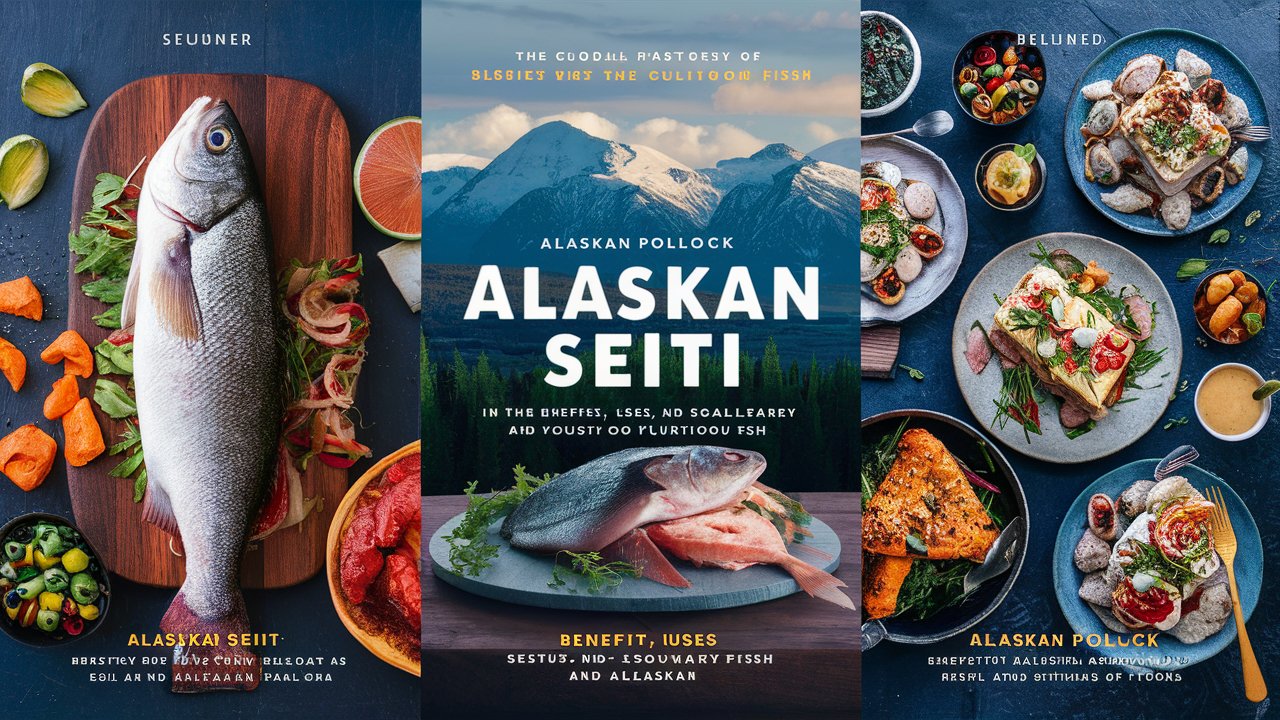
Alaskan Seiti, widely known in the seafood industry as Alaska Pollock, has become one of the most important and widely consumed fish species in the world. Harvested from the cold, nutrient-rich waters of the North Pacific Ocean and the Bering Sea, this fish plays a vital role in global seafood markets, sustainable fisheries, and everyday diets. From crispy fish fillets and seafood sticks to high-protein meals served in restaurants across the globe, Alaskan Seiti has transformed the modern seafood industry.
The remarkable popularity of this fish comes from its mild flavor, firm white meat, exceptional nutritional value, and sustainable harvesting practices. Fisheries in Alaska are globally recognized for strict management standards that ensure long-term ecological balance. Because of these responsible practices, Alaskan Seiti is often highlighted as one of the most sustainable seafood choices available today.
In this comprehensive guide, we explore everything about Alaskan Seiti, including its origins, nutritional benefits, sustainability, culinary uses, commercial importance, and why it continues to dominate global seafood markets. 🌊🐟
Understanding Alaskan Seiti
What Is Alaskan Seiti?
Alaskan Seiti is another name used for Alaska Pollock (Gadus chalcogrammus), a species belonging to the cod family. It thrives in the cold waters of the North Pacific Ocean, particularly around Alaska, the Bering Sea, and the Gulf of Alaska.
This fish is recognized by its light-colored flesh, delicate flavor, and soft yet flaky texture, making it ideal for a wide range of seafood products. Because of its versatility and affordability, Alaskan Seiti has become a staple ingredient in global seafood processing.
Major seafood products made from Alaskan Seiti include:
-
Fish sticks
-
Surimi (imitation crab meat)
-
Breaded fish fillets
-
Frozen seafood meals
-
Fish burgers and seafood snacks
Due to its mild taste, it easily absorbs seasonings and marinades, making it extremely popular among chefs and food manufacturers.
The Global Importance of Alaskan Seiti
A Dominant Force in the Seafood Industry
The Alaskan Seiti fishery is one of the largest and most valuable fisheries in the world. Millions of tons of Alaska Pollock are harvested every year under carefully monitored quotas to protect marine ecosystems.
Several factors make Alaskan Seiti highly significant:
1. Sustainable Fishery Management
Alaska enforces strict fishing regulations that prevent overfishing and protect ocean biodiversity.
2. Massive Global Demand
Countries across Asia, Europe, and North America rely on Alaska Pollock as a primary seafood ingredient.
3. Affordable Protein Source
Because of efficient harvesting and processing, Alaskan Seiti remains one of the most affordable seafood options globally.
4. Industrial Versatility
It is used in frozen foods, restaurant menus, packaged seafood, and processed fish products.
The combination of sustainability, affordability, and versatility has made Alaskan Seiti a cornerstone of the international seafood economy.
Nutritional Value of Alaskan Seiti
A Powerful Source of Healthy Nutrition
Alaskan Seiti is not only delicious but also packed with essential nutrients and high-quality protein. It is considered a healthy seafood choice for people seeking balanced diets.
Key Nutritional Benefits
High-Quality Protein
Alaskan Seiti contains lean protein that supports muscle growth, metabolism, and overall body repair.
Low Fat Content
This fish is naturally low in fat, making it ideal for weight-conscious diets.
Rich in Omega-3 Fatty Acids
Omega-3 fatty acids support heart health, brain function, and reduced inflammation.
Vitamin B12 and Selenium
These nutrients are essential for immune system strength and nerve health.
Low Mercury Levels
Compared to many other fish species, Alaskan Seiti contains low mercury levels, making it safer for regular consumption.
Because of these health benefits, nutritionists often recommend Alaskan Seiti as part of a balanced seafood diet.
Sustainability of Alaskan Seiti Fisheries
One of the World’s Most Responsible Fisheries
The Alaska Pollock fishery is globally recognized for its sustainable management. Strict policies ensure that fish populations remain healthy while protecting marine ecosystems.
Key sustainability practices include:
Science-Based Catch Limits
Scientists determine how many fish can be safely harvested each season.
Ecosystem Monitoring
Marine habitats and wildlife populations are carefully studied to maintain ecological balance.
Advanced Fishing Technology
Modern fishing vessels use techniques that minimize environmental impact.
International Sustainability Certifications
Many Alaskan Seiti fisheries hold Marine Stewardship Council (MSC) certification, confirming responsible harvesting.
These measures have made Alaskan Seiti a leading example of sustainable seafood production worldwide.
Culinary Uses of Alaskan Seiti
A Versatile Ingredient in Global Cuisine
Alaskan Seiti is highly versatile in cooking because of its mild taste and adaptable texture. It works well in both simple home recipes and complex restaurant dishes.
Popular Cooking Methods
Pan-Fried Fillets
Lightly seasoned and pan-fried Alaskan Seiti produces a crispy exterior with tender meat inside.
Baked Pollock Dishes
Baking preserves moisture and allows herbs and spices to enhance flavor.
Fish Tacos
The soft texture of Alaskan Seiti makes it perfect for tacos, wraps, and sandwiches.
Seafood Soups and Stews
It absorbs flavors well, making it ideal for broths and chowders.
Surimi Production
The fish is processed into surimi, which is used to create imitation crab meat and seafood sticks widely used in sushi.
Its adaptability ensures that Alaskan Seiti remains a favorite ingredient in home kitchens, restaurants, and food processing industries.
Alaskan Seiti vs Other White Fish
How It Compares to Cod, Haddock, and Tilapia
Many consumers compare Alaskan Seiti with other popular white fish species.
Taste
Alaskan Seiti has a mild and slightly sweet flavor, making it less fishy than some alternatives.
Texture
It offers a soft yet flaky texture, which works well in breaded seafood dishes.
Cost
Compared with cod or haddock, Alaskan Seiti is more affordable, making it accessible for large-scale food production.
Sustainability
Alaskan Seiti is often ranked among the most sustainable seafood options available today.
Because of these advantages, it continues to outperform many other fish in the global seafood market.
The Future of Alaskan Seiti
Growing Demand in Global Markets
The future of Alaskan Seiti remains extremely promising as seafood consumption continues to rise worldwide.
Several factors contribute to its growing demand:
-
Increasing interest in healthy protein sources
-
Rising demand for sustainable seafood
-
Expansion of global frozen food industries
-
Growing popularity of seafood-based diets
As consumers become more conscious of environmental responsibility and nutrition, Alaskan Seiti will likely remain one of the most valuable seafood resources on the planet.
Conclusion
Alaskan Seiti stands as a remarkable example of how sustainable fisheries, nutritional value, and culinary versatility can combine to create a globally successful seafood product. Harvested responsibly from the cold waters of Alaska, this fish supports international food industries while providing millions of people with affordable, healthy, and delicious protein.
From its role in frozen seafood products to gourmet restaurant dishes, Alaskan Seiti continues to shape the future of the global seafood market. With strong sustainability standards and growing consumer demand, it remains one of the most trusted and widely consumed fish species worldwide.
Frequently Asked Questions (FAQ)
What is Alaskan Seiti?
Alaskan Seiti is another name for Alaska Pollock, a white fish species harvested primarily in the North Pacific Ocean and the Bering Sea.
Is Alaskan Seiti healthy to eat?
Yes. It is high in protein, low in fat, rich in omega-3 fatty acids, and contains essential vitamins and minerals, making it a nutritious seafood option.
Is Alaskan Seiti sustainable?
Alaskan Seiti fisheries are considered among the most sustainable fisheries in the world, with strict regulations that prevent overfishing.
What foods are made from Alaskan Seiti?
Common products include fish sticks, frozen fillets, surimi seafood, fish burgers, and seafood snacks.
How does Alaskan Seiti taste?
It has a mild, slightly sweet flavor and a soft flaky texture, making it suitable for a wide range of seafood recipes.