

Foenegriek, commonly known as fenugreek in English, is one of the oldest medicinal and culinary herbs in the world. For centuries, people across Asia, Europe, the Middle East, and North Africa have relied on foenegriek for its remarkable health benefits, distinctive flavor, and healing properties. Whether consumed as seeds, leaves, powder, tea, or dietary supplements, foenegriek has earned a reputation as a natural remedy for digestion, blood sugar management, heart health, and overall wellness.
Today, modern scientific research continues to explore the many ways foenegriek may support human health. Rich in dietary fiber, antioxidants, vitamins, minerals, and plant compounds, this versatile herb is increasingly popular among health-conscious individuals looking for natural alternatives to improve their lifestyle. At the same time, it is important to understand its possible side effects, recommended dosage, and the best ways to incorporate it into a balanced diet.
In this comprehensive guide, you will learn everything about foenegriek, including its nutritional profile, health benefits, traditional uses, modern applications, potential risks, and frequently asked questions. Whether you are hearing about foenegriek for the first time or looking to deepen your understanding, this article provides reliable and easy-to-understand information to help you make informed decisions.
What Is Foenegriek?
Foenegriek is the Dutch name for fenugreek, a flowering plant scientifically known as Trigonella foenum-graecum. It belongs to the legume family and is cultivated throughout many regions of the world. The plant produces small golden-brown seeds that have a slightly bitter, nutty flavor with hints of maple syrup. These seeds are commonly used as a spice, herbal medicine, and nutritional supplement.
In addition to its seeds, the fresh leaves of foenegriek are widely used in cooking, especially in Indian, Middle Eastern, and Mediterranean cuisines. Both the seeds and leaves are valued for their nutritional richness and medicinal properties.
Nutritional Value of Foenegriek
Foenegriek is packed with nutrients that contribute to its health-promoting effects. It contains substantial amounts of dietary fiber, protein, iron, magnesium, manganese, phosphorus, and several B vitamins. It also provides antioxidants and plant compounds such as saponins, flavonoids, alkaloids, and diosgenin, which have been extensively studied for their potential health benefits.
The high fiber content of foenegriek supports digestive health while helping regulate blood sugar levels. Its minerals contribute to healthy bones, muscle function, and cardiovascular health, making it a valuable addition to a nutritious diet.
Health Benefits of Foenegriek
Supports Healthy Blood Sugar Levels
One of the most researched benefits of foenegriek is its ability to support healthy blood sugar control. The soluble fiber present in the seeds slows carbohydrate digestion and glucose absorption, helping maintain more stable blood sugar levels after meals. Some studies suggest that regular consumption of foenegriek may improve insulin sensitivity, making it a valuable dietary addition for individuals managing diabetes alongside medical advice.
Promotes Digestive Health
Foenegriek has traditionally been used to relieve digestive discomfort, including constipation, bloating, and indigestion. Its high fiber content supports regular bowel movements while nourishing beneficial gut bacteria. The herb may also help soothe inflammation within the digestive tract, contributing to improved gastrointestinal health.
May Improve Heart Health
Regular consumption of foenegriek may support cardiovascular health by helping maintain healthy cholesterol levels. Research suggests that its soluble fiber may reduce LDL cholesterol while supporting overall lipid balance. Combined with a healthy lifestyle, foenegriek may contribute to long-term heart wellness.
Rich Source of Antioxidants
Foenegriek contains numerous antioxidant compounds that help protect cells from oxidative stress caused by free radicals. These antioxidants may reduce inflammation and support healthy aging by minimizing cellular damage throughout the body.
Supports Weight Management
Many people use foenegriek as part of a weight management plan because its fiber promotes feelings of fullness and may reduce appetite. By slowing digestion and increasing satiety, foenegriek may help individuals consume fewer calories while maintaining energy throughout the day.
Benefits for Hair Health
Foenegriek has become a popular natural ingredient in hair care routines. The seeds contain protein, iron, and nicotinic acid, nutrients believed to strengthen hair follicles and improve scalp health. Homemade foenegriek hair masks are often used to reduce dryness, improve shine, and minimize hair breakage.
Benefits for Skin
The antioxidants and anti-inflammatory compounds in foenegriek may contribute to healthier skin by reducing irritation and supporting natural healing. Some people use foenegriek paste or extracts in skincare routines to soothe acne-prone skin and promote a more even complexion.
Common Uses of Foenegriek
Foenegriek is remarkably versatile and can be used in many different ways depending on personal preferences and health goals. The seeds are frequently added to curries, soups, pickles, spice blends, and baked goods for their distinctive flavor. Ground foenegriek powder is commonly incorporated into smoothies or sprinkled over meals.
Foenegriek tea is another popular preparation. The seeds are soaked or boiled in hot water to produce a mildly bitter herbal infusion that many people drink for digestive support and overall wellness.
Dietary supplements containing concentrated foenegriek extracts are also available in capsule or tablet form, providing a convenient option for individuals seeking standardized doses.
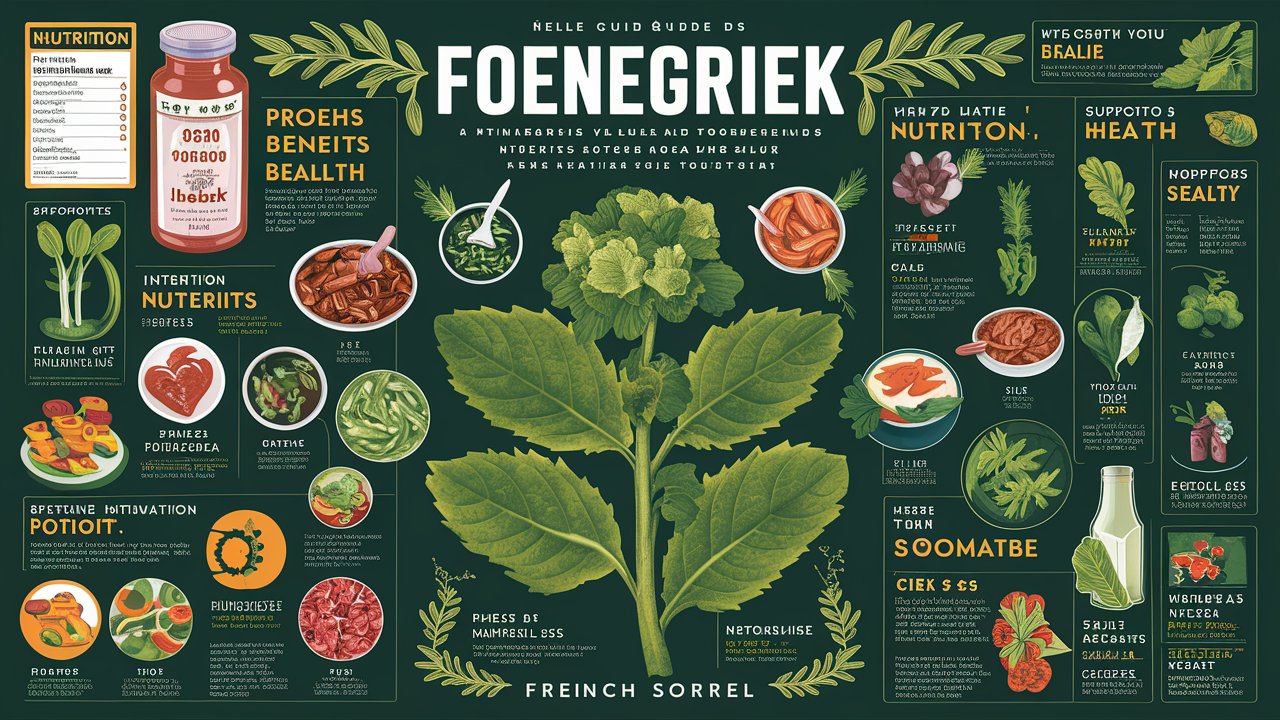
How to Prepare Foenegriek
Preparing foenegriek correctly can improve both its flavor and digestibility. Many people soak the seeds overnight before cooking to soften them and reduce bitterness. Roasting the seeds lightly can also enhance their aroma while creating a pleasant nutty flavor.
Fresh foenegriek leaves are commonly sautéed with vegetables or added to flatbreads, curries, and stews. The dried leaves, known as kasuri methi, are often sprinkled over finished dishes to enhance taste and fragrance.
Recommended Dosage
The appropriate amount of foenegriek depends on its intended use and individual health conditions. Culinary use generally poses little concern, while supplements should always be taken according to the manufacturer’s recommendations or under professional guidance.
People using foenegriek for blood sugar management or other medical purposes should consult their healthcare provider before beginning supplementation, particularly if they take prescription medications.
Possible Side Effects
Although foenegriek is generally considered safe when consumed in moderate amounts, some individuals may experience mild digestive symptoms such as gas, bloating, diarrhea, or stomach discomfort. Allergic reactions are rare but possible, especially among people allergic to legumes like peanuts or chickpeas.
Foenegriek may also interact with medications used for diabetes or blood clotting. Pregnant women should seek medical advice before taking concentrated foenegriek supplements because high doses may stimulate uterine contractions.
Who Should Avoid Foenegriek?
Certain individuals should exercise caution before using foenegriek supplements. This includes pregnant women, individuals taking blood-thinning medications, people with severe allergies to legumes, and those managing diabetes with medication. Consulting a qualified healthcare professional is always recommended before starting any herbal supplement regimen.
Tips for Buying High-Quality Foenegriek
When purchasing foenegriek, choose products from reputable manufacturers that prioritize quality testing and freshness. Organic options may reduce exposure to pesticides, while properly sealed packaging helps preserve flavor and nutritional value. Always check expiration dates before purchasing seeds, powders, or supplements.
Conclusion
Foenegriek is much more than a traditional spice. It is a nutrient-rich herb with a long history of culinary and medicinal use, supported by growing scientific interest. From promoting digestive health and supporting healthy blood sugar levels to contributing to heart wellness, skin health, and hair care, foenegriek offers a wide range of potential benefits when incorporated into a balanced lifestyle.
Although foenegriek is generally safe for most people when consumed as food, concentrated supplements should be used responsibly and under professional guidance, particularly for individuals with existing medical conditions or those taking medications. By understanding its nutritional value, proper preparation methods, recommended dosage, and possible side effects, you can confidently decide whether foenegriek deserves a place in your daily routine. As with any natural remedy, consistency, moderation, and informed use are the keys to achieving the greatest potential benefits.
Frequently Asked Questions (FAQ)
1. What is foenegriek?
Foenegriek is the Dutch name for fenugreek (Trigonella foenum-graecum), an herb whose seeds and leaves are widely used in cooking and traditional herbal medicine.
2. What are the main health benefits of foenegriek?
Foenegriek may support healthy blood sugar levels, improve digestion, promote heart health, aid weight management, and contribute to healthier hair and skin.
3. Can foenegriek help with diabetes?
Some research suggests that foenegriek may help support healthy blood sugar control when combined with a balanced diet and medical care. It should not replace prescribed treatment.
4. How do you use foenegriek?
Foenegriek can be consumed as seeds, powder, fresh or dried leaves, herbal tea, or dietary supplements.
5. Is foenegriek safe to take every day?
For most healthy adults, culinary amounts are generally safe. Daily supplement use should follow product directions or a healthcare professional’s advice.
6. Does foenegriek help hair growth?
Foenegriek contains nutrients that may support scalp health and strengthen hair, although individual results vary and more research is needed.
7. Are there any side effects of foenegriek?
Possible side effects include mild digestive discomfort, bloating, diarrhea, allergic reactions, and interactions with certain medications.
8. Who should avoid foenegriek?
Pregnant women, individuals taking blood thinners or diabetes medications, and people with legume allergies should consult a healthcare professional before using foenegriek supplements.
9. Can I drink foenegriek tea daily?
Many people drink foenegriek tea in moderation as part of a healthy diet. If you have a medical condition or take medications, consult your healthcare provider first.
10. Is foenegriek the same as fenugreek?
Yes. Foenegriek is simply the Dutch word for fenugreek, and both refer to the same medicinal and culinary plant.