
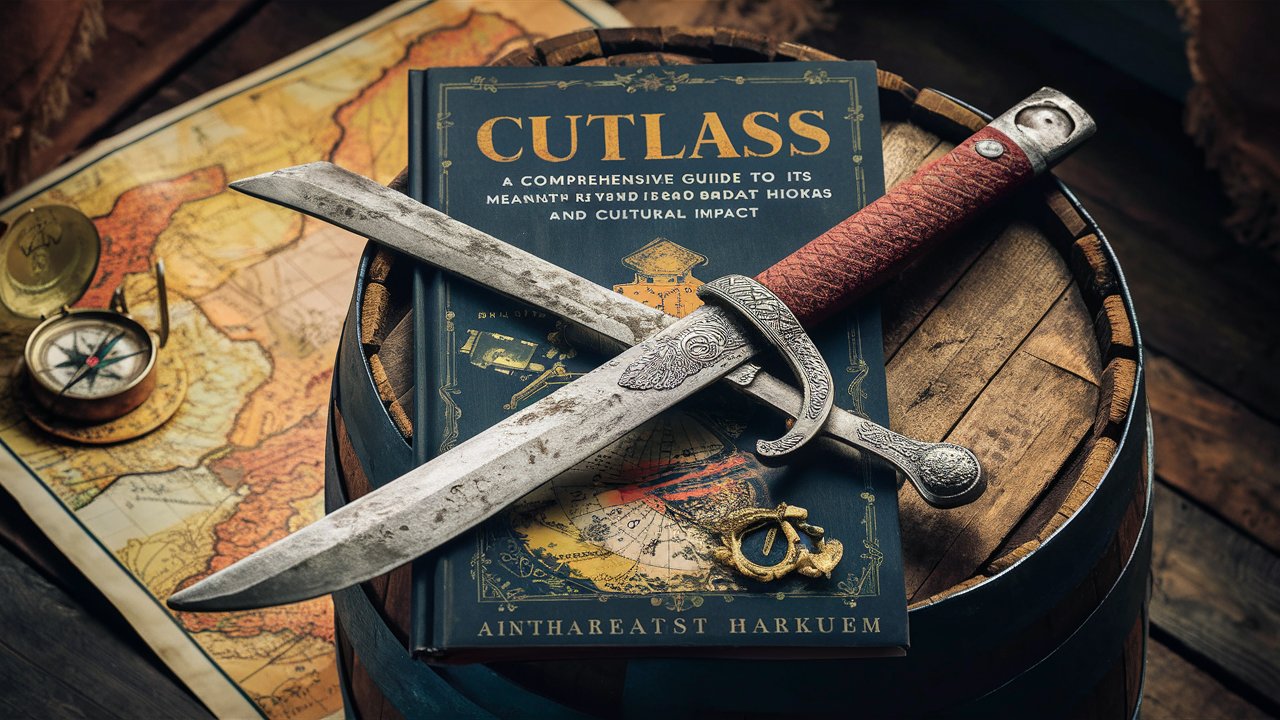
The cutlass is a powerful and versatile term with deep historical roots and wide-ranging modern relevance. We explore the cutlass as a weapon, a tool, a symbol of maritime dominance, and a cultural icon that has evolved across centuries. From naval warfare and piracy to agriculture, cuisine, and even automotive history, the cutlass holds a unique place in global heritage. We present a detailed, authoritative, and comprehensive examination designed to dominate search visibility and deliver unmatched informational value.
Cutlass Meaning and Definition
The cutlass is traditionally defined as a short, broad, slightly curved sword designed primarily for close-quarters combat, especially aboard ships. Its compact length and robust blade made it ideal for confined spaces, distinguishing it from longer sabers and rapiers. Over time, the term “cutlass” expanded beyond weaponry to describe machete-like tools, regional blades, and metaphorical uses symbolizing strength, resilience, and authority.
History of the Cutlass
Origins of the Cutlass Sword
The cutlass emerged prominently during the 17th century, influenced by earlier European and Middle Eastern blades. Naval forces adopted it rapidly due to its durability, ease of use, and effectiveness in boarding actions. Unlike delicate dueling swords, the cutlass was built for raw power and reliability.
Cutlass in Naval Warfare
We recognize the cutlass as a defining weapon of naval warfare during the Age of Sail. Sailors favored it for its ability to cut rigging, break through obstacles, and engage enemies at close range. Navies across Britain, France, Spain, and later the United States standardized the cutlass as essential shipboard equipment.
The Pirate Cutlass Legacy
The pirate cutlass became legendary due to its association with infamous sea raiders. Pirates valued the cutlass for its intimidating appearance, brutal efficiency, and minimal training requirements. This association cemented the cutlass as a cultural symbol of rebellion and maritime freedom.
Design and Anatomy of a Cutlass
Blade Structure
A traditional cutlass blade is broad, single-edged, and slightly curved, optimized for slashing rather than thrusting. This geometry allows powerful strikes with reduced risk of the blade becoming lodged.
Hilt and Guard
The cutlass hilt typically features a basket guard or knuckle guard, protecting the user’s hand during chaotic combat. This design innovation significantly improved survivability during naval engagements.
Materials and Craftsmanship
Historically, cutlasses were forged from high-carbon steel, balancing hardness and flexibility. Modern reproductions may use stainless steel or advanced alloys, maintaining visual authenticity while improving corrosion resistance.
Cutlass as a Tool and Agricultural Implement
Beyond combat, the cutlass evolved into a practical cutting tool in many regions, especially in the Caribbean, Africa, and parts of Latin America. In these contexts, the cutlass closely resembles a machete and is used for:
-
Clearing dense vegetation
-
Harvesting sugarcane
-
Agricultural fieldwork
-
Trail maintenance
This utilitarian adaptation reinforces the cutlass as a symbol of labor, self-sufficiency, and rural resilience.
Cutlass in Culinary and Biological Contexts
Cutlassfish Explained
The term cutlassfish refers to a long, slender, silver marine species named for its blade-like shape. Highly valued in Asian and global cuisines, cutlassfish is prized for its rich flavor, firm texture, and nutritional benefits.
Culinary Importance
We note the cutlassfish as a staple in stir-fries, curries, and grilled preparations, contributing to the cutlass’s relevance beyond tools and weapons.
Cutlass in Automotive History
Oldsmobile Cutlass Overview
The Oldsmobile Cutlass represents one of the most iconic American car models of the 20th century. Introduced in the early 1960s, it became synonymous with performance, luxury, and mainstream appeal.
Cultural Impact of the Cutlass Car
The Oldsmobile Cutlass dominated sales charts for years, influencing automotive design and consumer expectations. Its name leveraged the symbolic strength and prestige of the cutlass blade, aligning mechanical power with historical authority.
Cutlass Symbolism and Cultural Significance
The cutlass symbolizes power, adaptability, and heritage. In literature, film, and folklore, it represents the seafaring spirit, rebellion against oppression, and mastery of one’s environment. We observe its recurring presence in:
-
Pirate mythology
-
Naval ceremonies
-
National and regional symbolism
-
Popular media and entertainment
Modern Uses and Collectibility
Cutlass Collectors and Enthusiasts
Antique and replica cutlasses are highly sought after by collectors. Authentic naval cutlasses command premium value due to historical provenance and craftsmanship.
Ceremonial and Decorative Use
Modern navies and institutions still employ cutlasses for ceremonial purposes, preserving tradition and honoring maritime heritage.
Types of Cutlass Explained
Naval Cutlass
Designed strictly for combat and ceremony, featuring heavy guards and robust blades.
Agricultural Cutlass
Tool-focused, lighter, and optimized for vegetation clearing.
Decorative and Replica Cutlass
Crafted for display, reenactment, and educational use.
Care and Maintenance of a Cutlass
Proper maintenance ensures longevity and performance:
-
Regular blade cleaning and oiling
-
Dry storage to prevent corrosion
-
Sharpening with appropriate tools
-
Inspection of hilt integrity
We emphasize maintenance as essential for both functional and collectible cutlasses.
Conclusion
We conclude that the cutlass is far more than a blade. It is a historical artifact, a functional tool, a culinary reference, and a cultural emblem that spans continents and centuries. Its adaptability and enduring relevance make it a subject of lasting interest and authority. By understanding the cutlass in its full scope, we preserve its legacy while appreciating its modern applications.
Frequently Asked Questions About Cutlass
What is a cutlass used for?
The cutlass is used historically for naval combat, agriculturally for vegetation clearing, and ceremonially in modern contexts.
Is a cutlass the same as a machete?
While similar in appearance, a cutlass traditionally refers to a naval sword, whereas a machete is primarily a tool.
Why is the cutlass associated with pirates?
Pirates favored the cutlass for its effectiveness in close combat and its intimidating presence.
What is a cutlassfish?
A cutlassfish is a marine species named for its blade-like shape and valued for culinary use.
Is the Oldsmobile Cutlass still produced?
The Oldsmobile Cutlass was discontinued, but it remains a classic and collectible vehicle.